

Yes, a lot of people seem to want to do this. ICOM even claims that you can
do it using D*STAR § 97.115), but this actually isn't a major obstacle in most cases; the real obstacle (in the US, at least) are the list of "prohibited communications" in
§ 97.113The third party rule, as implemented by the FCC, only comes into play on international communications; that is, when one of the two amateur stations in the communication is in the United States (or other area regulated by the FCC) and the other station is not so located. So the third party rule would be a problem if you were in the US and trying to use a radio to communicate with a station in, say, Germany, and then from there to connect to the Internet. However, if both of the stations involved are in the United States, this doesn't come into play. The third party rule says nothing about where the third party in the communication may be located; as far as the radio regs are concerned, it doesn't matter that you're going to a website in Armenia, as long as your radio communication isn't going there.
However, the real problem is that any connection to the Internet would have to be continuously supervised to ensure that no prohibited communications took place over the link. And there are so many things that are prohibited: music; anything encrypted; any message in which the operator has a pecuniary interest other than the occasional sale of radio equipment; obscene or indecent language. Imagine how hard it would be to avoid all of these while browsing the Internet.
INTERESTING VIDEO

INTERESTING FACTS
-
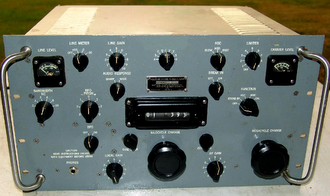 Rockwell Collins, Inc. (NYSE: COL) is a large United States-based international company headquartered in Cedar Rapids, Iowa, primarily providing aviation and information technology systems and services to governmental agencies and aircraft manufacturers.
Arthur...
Share this Post
latest post
-
 Amateur Radio Regions September 13, 2026
 -
 Amateur Radio practice Exam September 3, 2026
 -
 Ham Radio Internet access August 24, 2026
 -
 Ham Radio Software Freeware August 14, 2026
 -
 Huntsville Amateur Radio Club August 4, 2026
 -
 2 Meter handheld Ham Radio July 25, 2026
 -
 Ham Radio Stations online July 15, 2026
 -
 Radioamateur.ca July 5, 2026
 -
 Ham Radio Manufacturers June 25, 2026