

PSK31Or "Phase Shift Keying, 31 Baud" is a popular computer-soundcard-generated radioteletype mode, used primarily by amateur radio operators to conduct real-time keyboard-to-keyboard chat, most often using frequencies in the high frequency amateur radio bands (near-shortwave). PSK31 is distinguished from other digital modes in that it is specifically tuned to have a data rate close to typing speed, and has an extremely narrow bandwidth, allowing many conversations in the same bandwidth as a single voice channel. This narrow bandwidth also concentrates the RF energy in a very narrow bandwidth, allowing relatively low-power equipment (25 watts) to communicate globally using the same skywave propagation used by shortwave radio stations.
History[edit]
PSK31 was developed and named by English amateur radio operator Peter Martinez (call sign G3PLX) and introduced to the wider amateur radio community in December 1998.
The 31 baud BPSK modulation system used in PSK31 was introduced by Pawel Jalocha (SP9VRC) in his SLOWBPSK program written for Motorola's EVM radio. Instead of the traditional frequency-shift keying, the information is transmitted by patterns of polarity-reversals (sometimes called 180-degree phase shifts). PSK31 was enthusiastically received, and its usage grew like wildfire worldwide, lending a new popularity and tone to the on-air conduct of digital communications. Due to the efficiency of the mode, it became, and still remains, especially popular with operators whose circumstances do not permit the erection of large antenna systems, the use of high power, or both.
Use and implementation[edit]
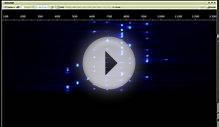
A PSK31 operator typically uses a single-sideband (SSB) transceiver connected to the sound card of a computer running PSK31 software. When the operator enters a message for transmission, the software produces an audio tone that sounds, to the human ear, like a continuous whistle with a slight warble. This sound is then fed through either a microphone jack (using an intermediate resistor to reduce the sound card's output power to microphone levels) or an auxiliary connection into the transceiver, from which it is transmitted.
From the perspective of the transmitter, the sound amounts to little more than somebody whistling into the microphone. However, the software rapidly shifts the phase of the audio signal between two states (hence the name "phase-shift keying"), forming the character codes. These phase shifts serve the same function as the two tones used in traditional RTTY and similar systems.
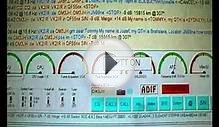
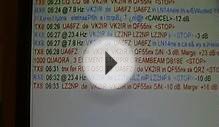
To decode PSK31, the audio whistle received from the transceiver's headphone output is fed into a computer sound card's audio input, and software decodes it. The software displays the decoded text.
INTERESTING VIDEO
Share this Post
latest post
-
 Amateur Radio Regions September 13, 2026
 -
 Amateur Radio practice Exam September 3, 2026
 -
 Ham Radio Internet access August 24, 2026
 -
 Ham Radio Software Freeware August 14, 2026
 -
 Huntsville Amateur Radio Club August 4, 2026
 -
 2 Meter handheld Ham Radio July 25, 2026
 -
 Ham Radio Stations online July 15, 2026
 -
 Radioamateur.ca July 5, 2026
 -
 Ham Radio Manufacturers June 25, 2026